Navigate complexity
Clarify context, constraints, tensions, history, resources, and the real question underneath the presenting problem.
Approach
Good consulting does more than produce recommendations. It helps people make sense of complexity, make consequential choices, and build the conditions to carry those choices forward.

The NAGA framework
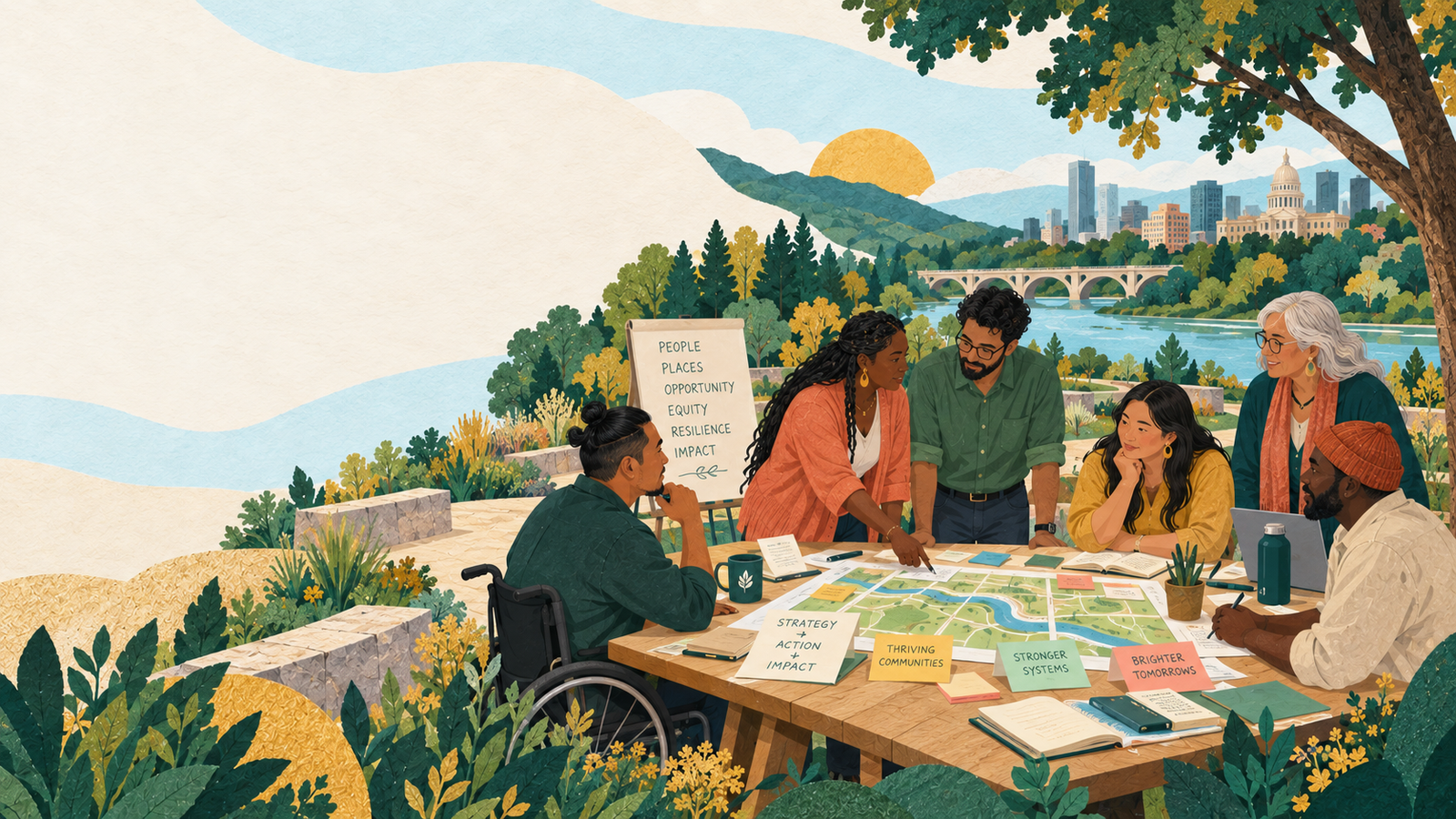
The framework is intentionally simple. It gives complex work a shared rhythm without pretending every organization needs the same process.
NAGA moves between inquiry and action: understanding the landscape, bringing people and priorities into alignment, guiding sound decisions, and supporting the organization to act.
Clarify context, constraints, tensions, history, resources, and the real question underneath the presenting problem.
Build shared understanding around purpose, priorities, roles, and who needs meaningful influence over the decision.
Use facilitation, evidence, practical frameworks, and visible tradeoffs to support sound choices.
Translate direction into ownership, tools, implementation, accountability, and adjustment.
What guides the work
Keep the mission and intended impact visible when decisions become complicated.
Treat trust, candor, and connection as part of the infrastructure for change.
Design the work so people closest to the consequences can meaningfully shape direction.
Name what is not working and resist smoothing over difficult realities.
Pay attention to power, participation, burden, access, and whose voice is missing.
Connect mission to responsibilities, resources, commitments, and follow-through.
Surface difficult questions about leadership, finances, culture, governance, and viability.
Make complexity understandable and recommendations usable in the real organization.
A typical engagement
The exact sequence changes with the work, but most NAGA engagements move through four practical stages.
Name the real question, purpose, stakeholders, scope, and what a useful outcome needs to accomplish.
Listen, review information, examine resources, and surface patterns, tensions, assumptions, and opportunities.
Make meaning together, test options, name tradeoffs, and support clear choices.
Clarify ownership, next steps, measures, tools, and how the organization will adapt as conditions change.
Relationship-centered by design
The strongest outcome is not a beautiful plan sitting on a shelf. It is an organization that has better questions, clearer decisions, stronger relationships, and more confidence in how to move forward.